


$5 Off First Order + 5% Off After
Become a free registered member and get access to exclusive discounts, resources, and a community of like-minded educators.
Not sure yet? See what you’ll get: Member benefits
Foundation
Children’s Picture Books and Activities Aligned with the Australian Curriculum for Foundation Year
This section brings together children’s books, learning activities, and lessons suitable for Foundation year students (age 5), aligned with the Australian Curriculum. Resources span key learning areas including English, Mathematics, Science, Design and Technologies, Humanities and Social Sciences (HaSS), and Health and Physical Education.
Whether you’re a teacher planning your week or a parent supporting learning at home, you’ll find age-appropriate content to engage early learners through stories, hands-on exploration, and creative play.
If you’re looking for specific themes or topics across multiple year levels (such as for a split class), we recommend browsing through our Subject section for more targeted results.
-

One Duck Stuck
Written by Phyllis Root
Illustrated by Jane Chapman
Published by CWP
Theme/topic: Counting, Repetition, Rhyme,
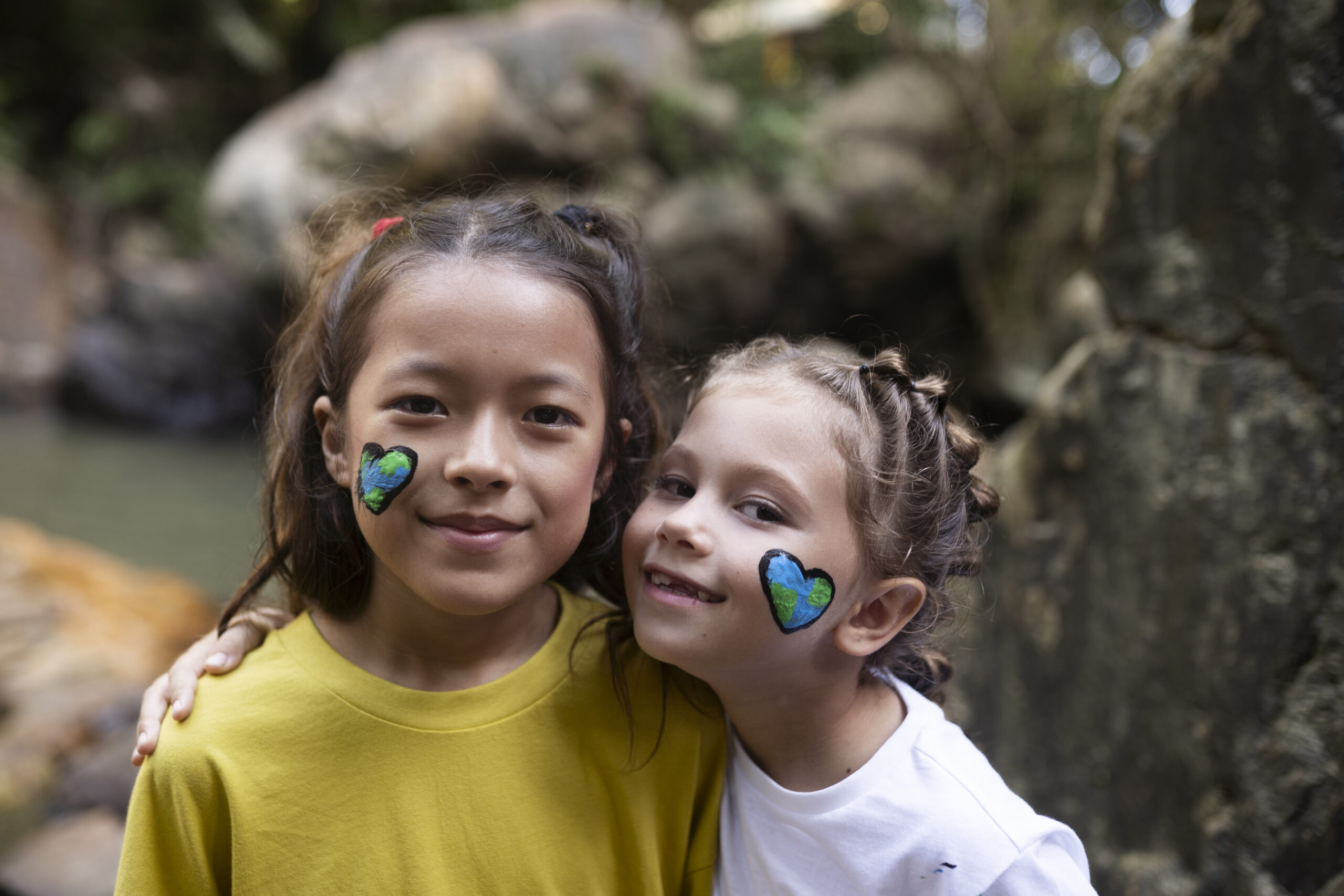
Captivating Books and Activities for Children: Cultivating Empathy and Inclusion
Discover engaging children’s books and imaginative activities designed to foster empathy, inclusion, and communication skills through storytelling. Perfect for inspiring young minds.
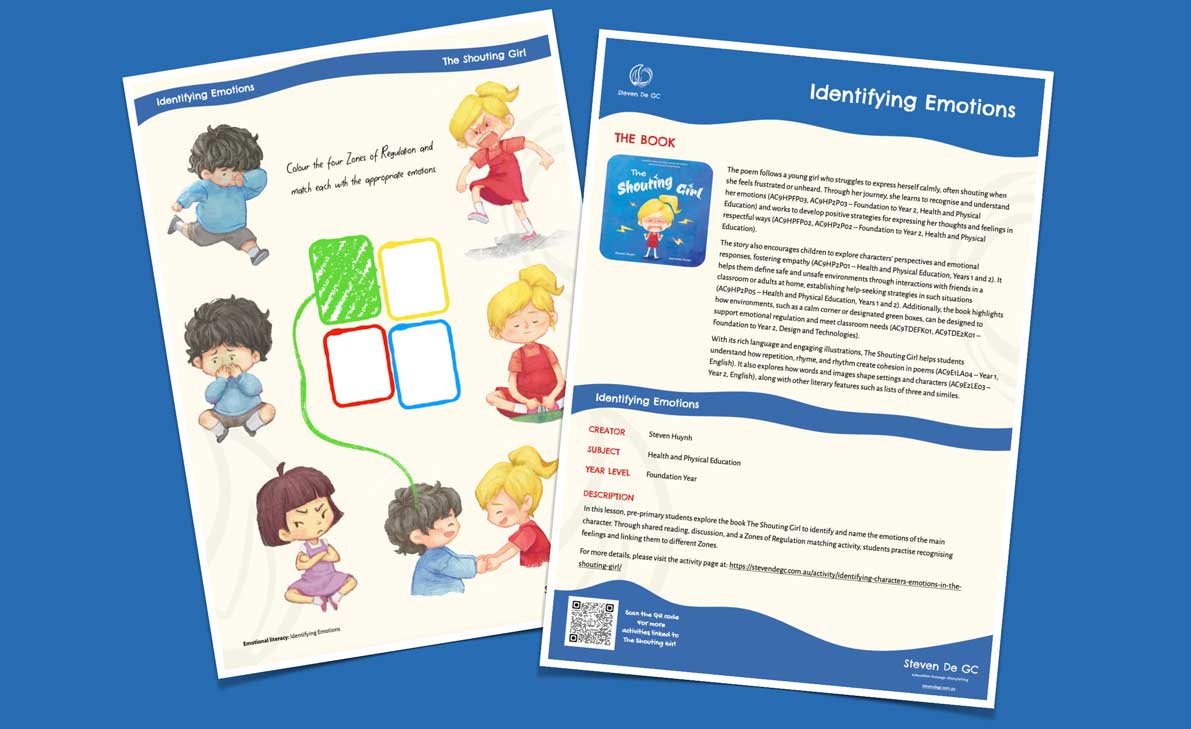
Identifying Characters’ Emotions in The Shouting Girl
📔 The Shouting Girl by Steven Huynh• We are learning to identify how a character is feeling and match emotions to Zones of Regulation.
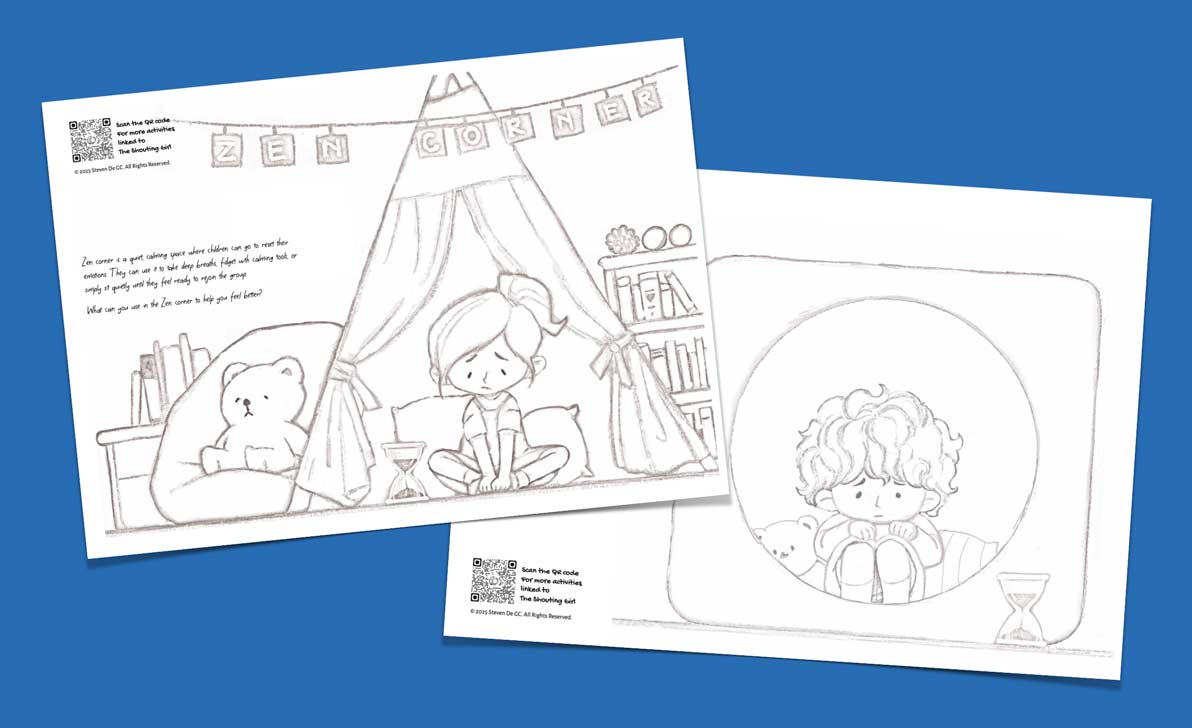
The Shouting Girl Colouring
📔 The Shouting Girl by Steven Huynh• Children are learning about safe spaces
• Children colour in the sheets.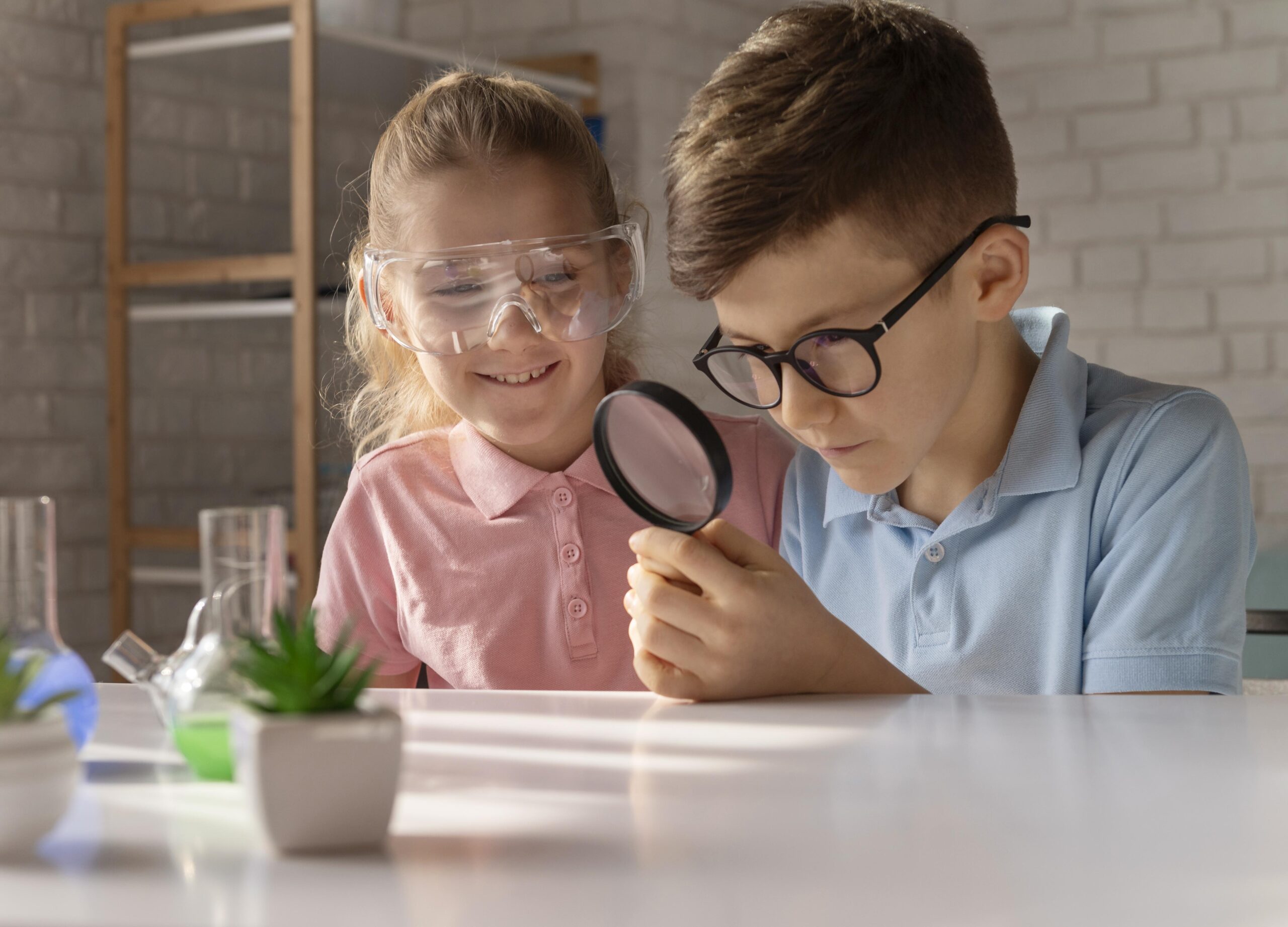
Engaging Science Activities for Kids: Exploring the World Around Them
Looking for engaging science activities for young children? This collection offers resources for exploring the human body, animal habitats, and the amazing lives of plants.
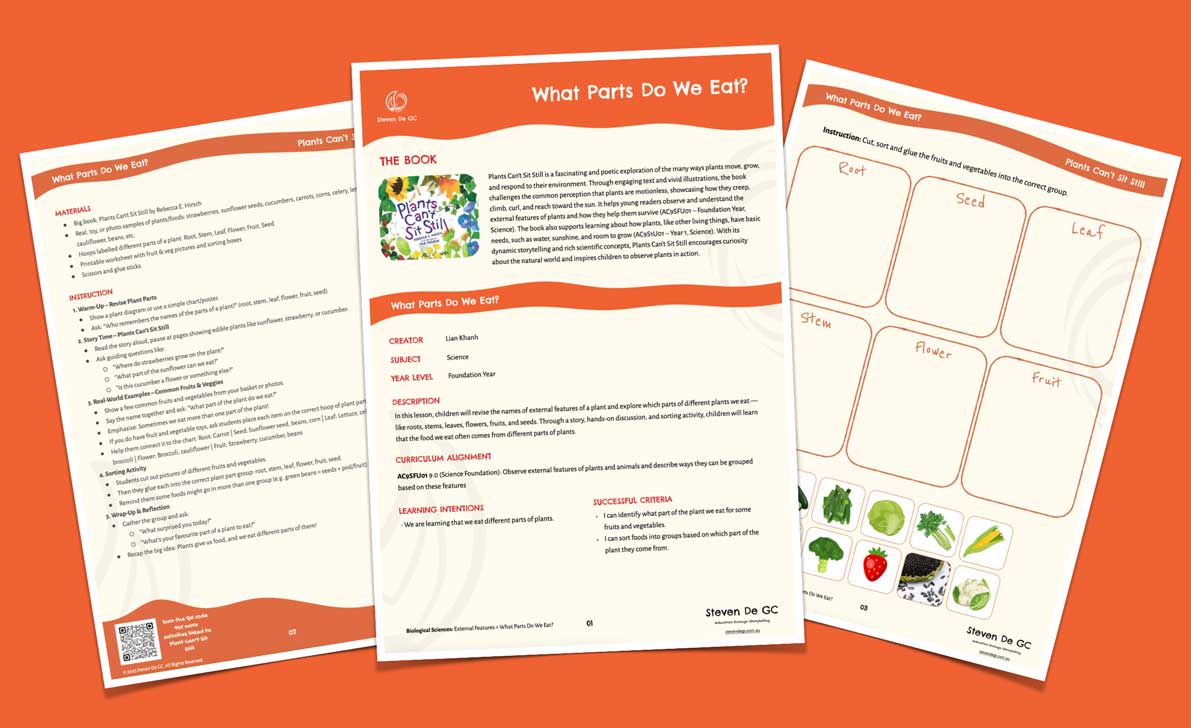
What Parts Do We Eat?
📔 Plants Can’t Sit Still by Rebecca Hirsh• We are learning that we eat different parts of plants.
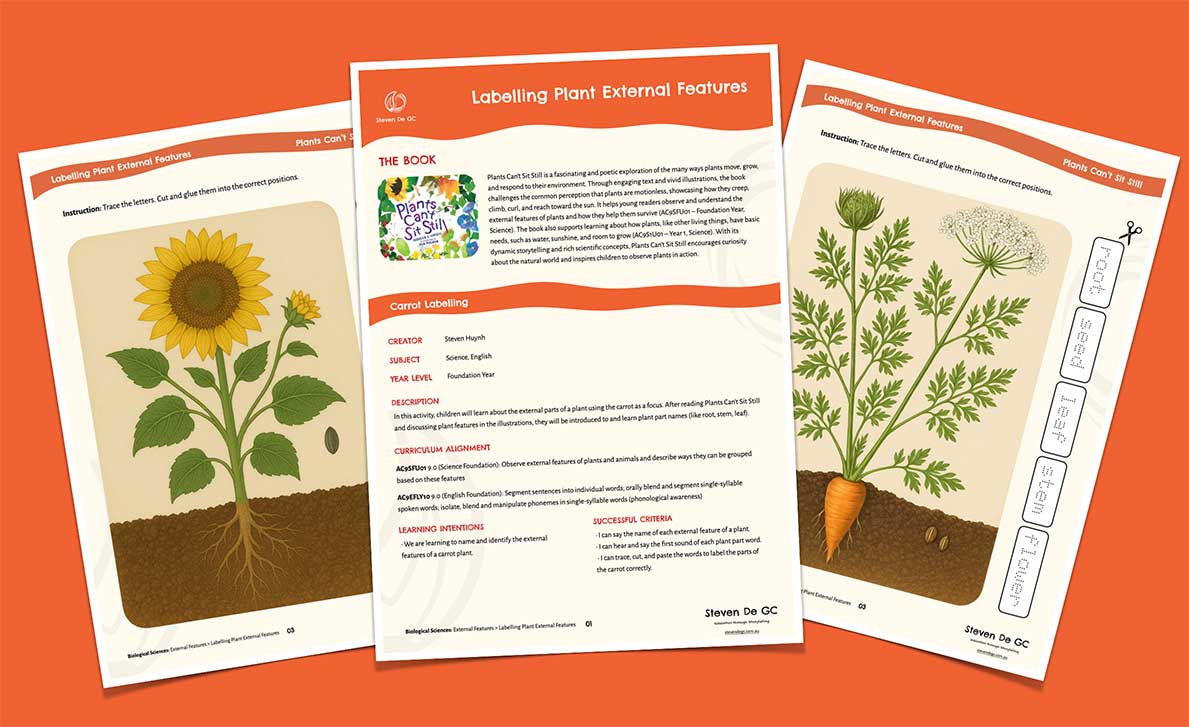
Labelling Plant External Features
📔 Plants Can’t Sit Still by Rebecca Hirsh• We are learning to name and identify the external features of a carrot plant.

Forming an Effective Talk For Reading Unit
Discover how a text’s literary features, reading skills, and the curriculum come together to form a complete Talk for Reading unit.

Essential Reading Skills for Early Years Students
By the end of Year 2, students develop key reading skills that support comprehension and fluency. Explore these skills and how they help foster these abilities.

The Shouting Girl
Written by Steven Huynh
Illustrated by Gehenna Pham
Published by Steven De GC
Theme/topic: Emotion recognition, Emotional regulation, Inclusion, Recount, Rhyme, Vocabulary expansion,
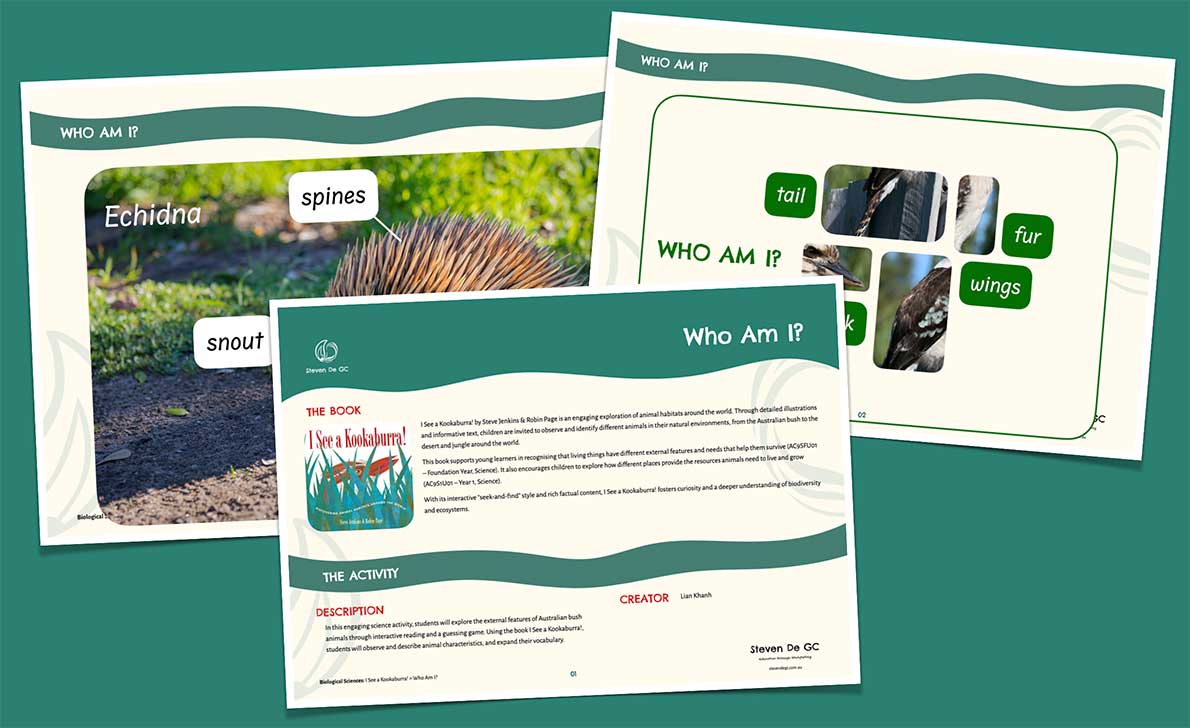
Who am I?
📔 I See a Kookaburra! by Steve Jenkins• We are learning to identify and describe the external features of Australian bush animals.
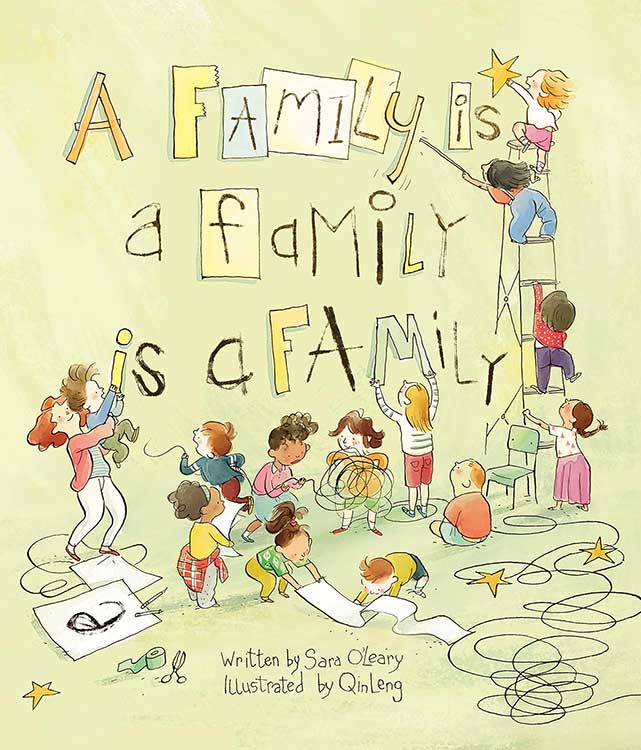
Family Diversity with A Family is a Family is a Family: A Curriculum-Aligned Review
Explore family diversity and inclusion in A Family is a Family is a Family, aligned with key Australian Curriculum areas for Health, HaSS, English, and Visual Arts.

My Body Parts
📔 Here are My Hands by Bill Martin and John Archambault• Students will identify different external body parts and their functions.
Selecting a Quality Text for Foundation Year’s Family Unit (Case Study)
Discover how A Family is a Family is a Family enriches early literacy through Talk For Reading, discussing family diversity and love in Foundation Year.

Plants Can’t Sit Still
Written by Rebecca Hirsh
Illustrated by Mia Posada
Published by Millbrook Picture Books
Theme/topic: Basic needs, External features, Vocabulary expansion,

Here are My Hands
Written by Bill Martin and John Archambault
Illustrated by Ted Rand
Published by Square Fish
Theme/topic: External features,

I See a Kookaburra!
Written by Steve Jenkins
Illustrated by Robin Page
Published by Houghton Mifflin Children
Theme/topic: External features, Habitats,
![[T4R] A Family is a Family is a Family: L6 Reflecting and Evaluating](https://stevendegc.com.au/wp-content/uploads/2025/03/T4R-A-Family-is-a-Family-L6-Cover.jpg)
[T4R] A Family is a Family is a Family: L6 Reflecting and Evaluating
📔 A Family Is a Family Is a Family by Sara O’Leary• We are learning to reflect on and evaluate the text.

![[T4R] A Family is a Family is a Family Reading Unit for Foundation Year](https://stevendegc.com.au/wp-content/uploads/2025/03/T4R-A-Family-is-a-Family-UnitOverview.jpg)