


Table of Contents
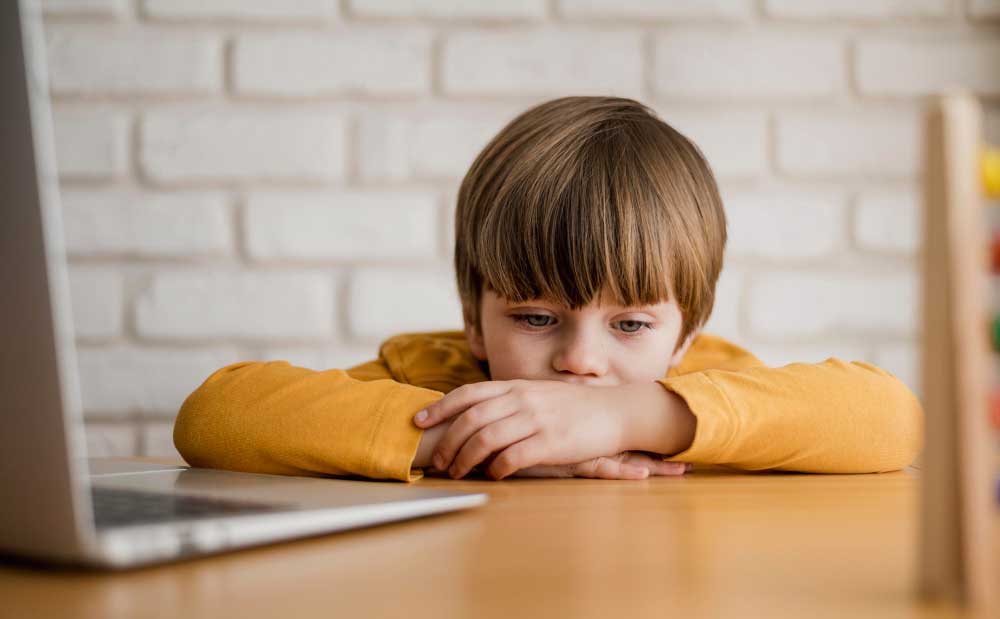
Many parents and educators now understand that being bored is good for kids. We know positive boredom can support creativity, independence and problem-solving. Yet, when a bored child looks at us and says, “I’m bored,” we often still feel responsible for fixing it. We search for things to do, suggest activities, or jump in to entertain. This reaction comes from care, but it can unintentionally take away something important: the child’s opportunity to learn how to manage boredom themselves. This article invites us into rethinking boredom, not as a problem to solve, but as a form of freedom or exploration. By supporting positive boredom in children, we help them build lifelong skills that no activity list can replace.
Boredom Isn’t a Failure — It’s a Starting Point
Boredom is not a sign that something is wrong. It is a natural pause between moments of stimulation. When children experience boredom, their brains begin to ask internal questions:
- What could I do?
- What do I feel like exploring?
- What interests me right now?
These moments activate thinking, imagination and self-direction. When adults rush to fill the gap with boredom activities, children lose the chance to practise these skills. Learning to sit with boredom helps children trust themselves. Over time, they begin to understand that they are capable of generating ideas, which is an essential foundation for independence and confidence.
Positive Boredom in Children: A Skill to Be Learned
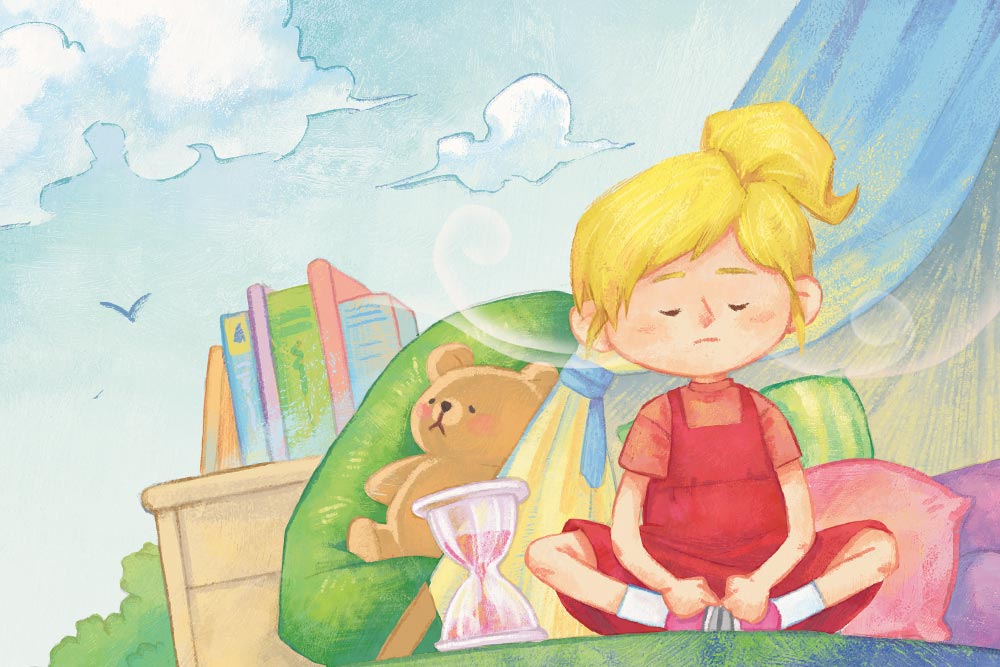
Positive boredom doesn’t mean leaving children unsupported or completely disengaged. It means helping them become comfortable with the feeling of boredom and confident in responding to it, and here is how:
For Parents: Supporting Boredom Without Rescuing
1. Encourage with words
When your child says they’re bored, resist the urge to immediately suggest things to do when bored for kids. Instead, offer encouragement that builds confidence. Helpful responses include:
- “I believe you’ll think of something.”
- “It’s okay to feel bored for a bit. You’ll pull up something cool soon.”
- “I wonder what you might try.”
These phrases communicate trust and invite children to take ownership of their time.
2. Invite children to help you with daily tasks
If you are doing housework, it is a good chance for them to help. Children often find purpose and satisfaction in real-life responsibilities. Age-appropriate examples include:
- helping set the table
- wiping benches
- sorting laundry
- watering plants
These experiences strengthen focus, responsibility and a sense of belonging, while supporting independence.
3. Play briefly, then step back
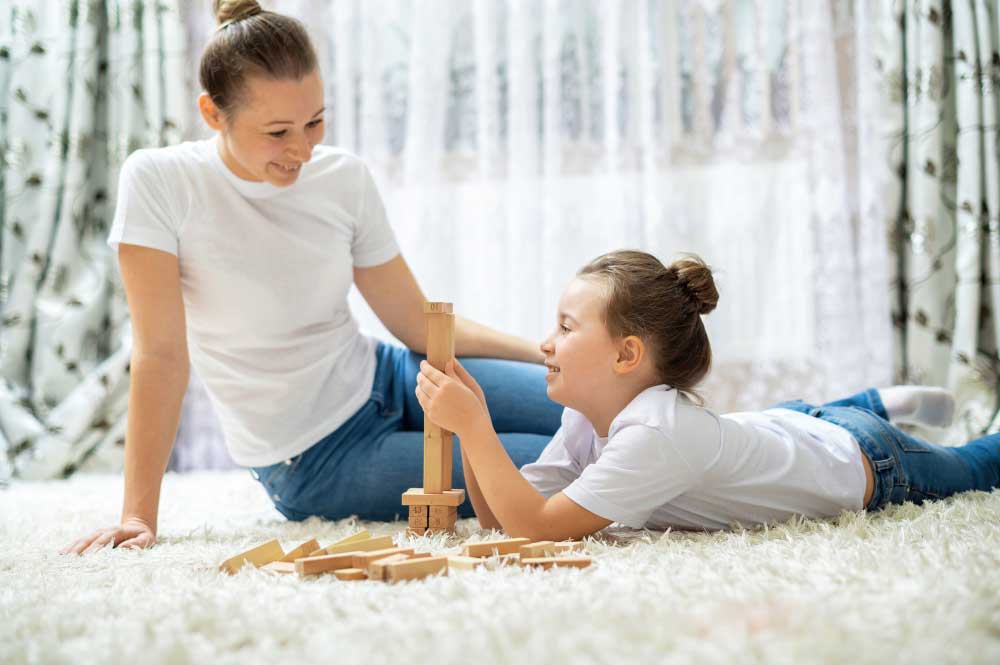
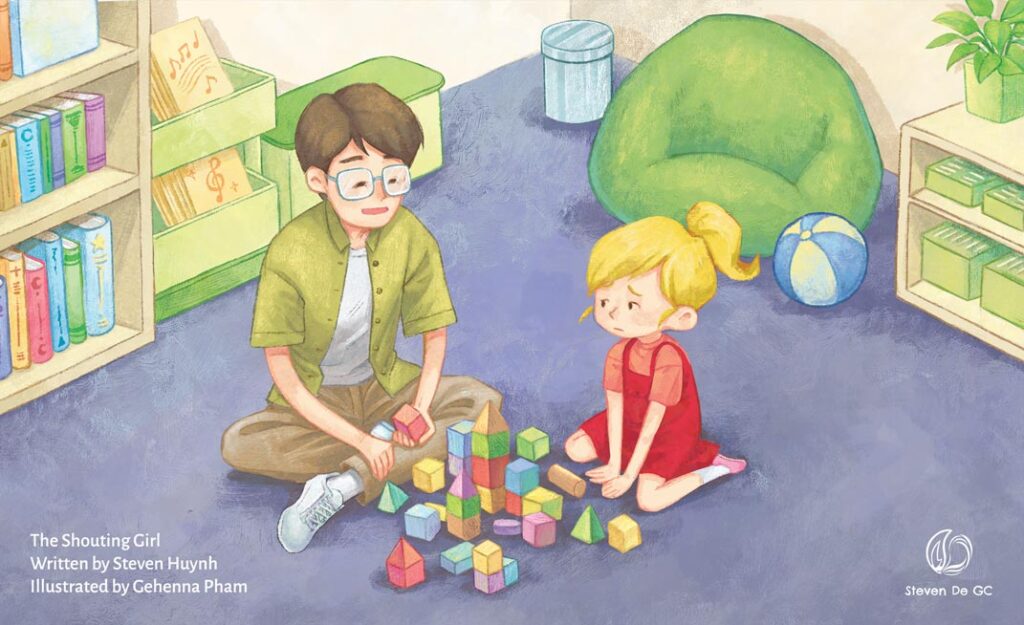
It’s okay to play with your child, as connection matters, but just avoid becoming their main source of entertainment.
When you join in:
- let your child lead the play (e.g., What can I do? What do you want to play?)
- clearly name how long you can play (e.g., Is 10 minutes okay? I have work to do.)
- step away when the time ends (e.g., Thanks for the play invite. I’m getting back to work now.)
This approach balances connection with autonomy and teaches children that they can continue independently.
For Teachers: Making Space for Healthy Boredom
In early childhood settings, boredom can be intentionally supported through thoughtful planning rather than constant stimulation.
1. Create “Boredom Blocks”
Boredom blocks are short periods where:
- children are not directed by adults and do what they wish
- conversation is limited to trigger boredom-like feelings, so the creative brain gets activated
- children engage in independent or parallel play
This space encourages sustained attention, imagination and self-regulation, which are skills strongly linked to learning success.
2. Use a Boredom Jar as an Invitation
A boredom jar can offer optional boredom activities without removing choice. Teachers are encouraged to make the jar with the kids. Ideas might include:
- drawing or journalling
- building challenges
- observing outdoors
- reading quietly
- tidying personal or shared classroom spaces
Importantly, the jar is not mandatory. Children decide whether to use it, reinforcing autonomy and agency.
Why Rethinking Boredom Supports Learning
Rethinking boredom aligns closely with:
- Critical and Creative Thinking (the Australian Curriculum’s general capability)
- Executive functioning and self-regulation
When children learn that boredom is safe and manageable, they stop relying on adults for constant direction. Instead, they become active participants in their own learning . This is a key goal of Australian early learning frameworks.
So, boredom does not need fixing. It needs space. By supporting positive boredom in children, we give them the freedom to think, choose, imagine and grow. The next time a bored child looks to you for answers, remember: the most powerful response may be stepping back and trusting what comes next.
References
- Australian Curriculum, Assessment and Reporting Authority. (n.d.). Critical and creative thinking. https://www.australiancurriculum.edu.au
- Raising Children Network (Australia). (n.d.). Boredom. https://raisingchildren.net.au
- Child Mind Institute. (n.d.). The benefits of boredom. https://childmind.org



Leave a Reply