


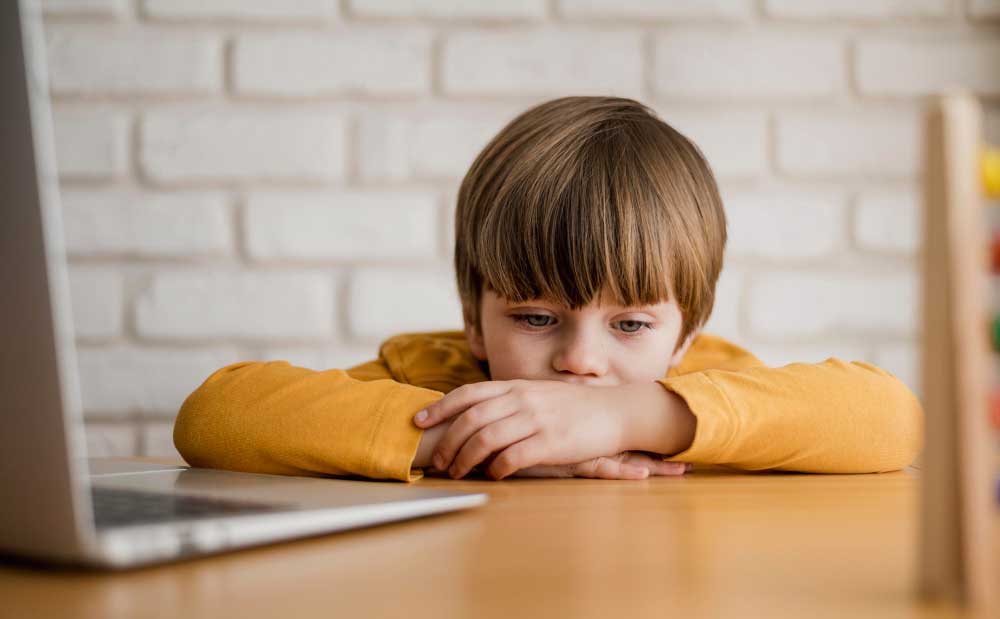
Rethinking Boredom
“I’m bored!” is a phrase many educators and parents hear daily. Feeling bored is usually treated as a problem to fix by offering an activity, turning on a screen, or stepping in with suggestions. But what if boredom isn’t the enemy?
Recent research and educational thinking suggest that the surprising benefits of boredom are often overlooked. Rather than being harmful, boredom can be a powerful driver of creativity, curiosity and independence, especially for young children. When we pause instead of filling every quiet moment, we allow the brain to do important work beneath the surface.
What Happens in the Brain When We Feel Bored?
When a child or adult is feeling bored, the brain doesn’t shut down. Instead, it shifts gears. With less external stimulation, the brain begins searching internally for meaning, ideas and connections.
This process activates areas of the brain linked to:
- Creative thinking
- Imagination and daydreaming
- Problem-solving
- Self-reflection
In simple terms, boredom prompts the brain to ask: “What can I do next?” That question is powerful. It sparks curiosity, encourages experimentation and invites new ideas to emerge. From an educational perspective, this mental activity is far more valuable than constant passive entertainment.
Bored Kids Are Thinking Kids
For children, boredom is not a failure of engagement — it is a thinking space.
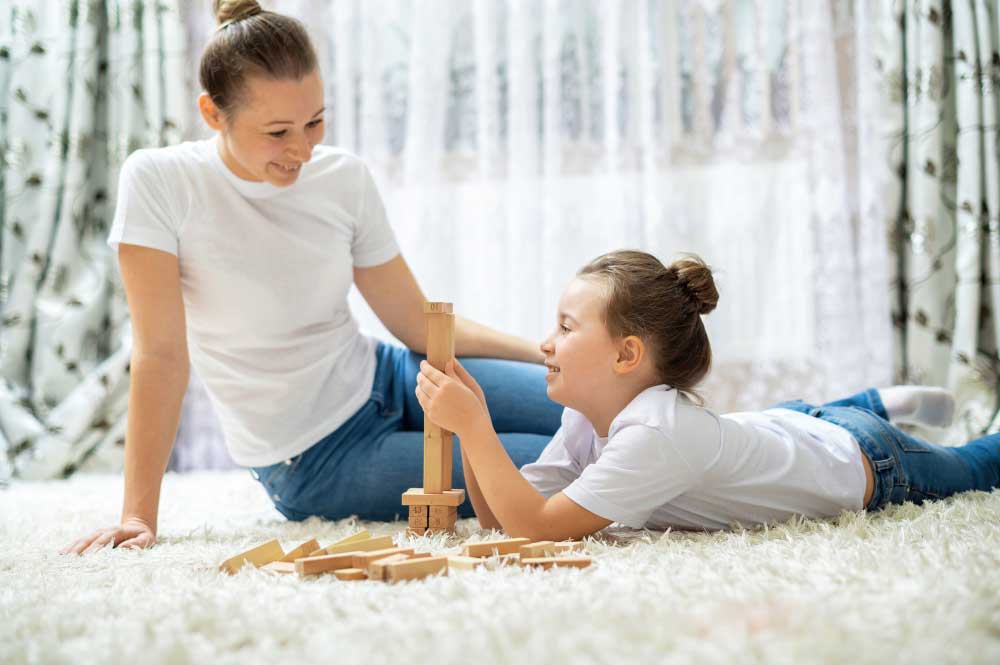
When bored kids are not immediately given solutions, they must brainstorm ways to entertain themselves. They might:
- Turn loose parts into a cubby or obstacle course
- Invent a game with made-up rules
- Decide to draw, build, climb or explore outdoors
In these moments, children are practising:
- Brainstorming (“What could I do?”)
- Decision-making (“Which idea should I try?”)
- Problem-solving (“How do I make this work?”)
This is exactly the kind of cognitive effort educators aim to develop. Over time, children who are comfortable with boredom learn that they can generate ideas. They become more independent, confident and self-directed, which are the skills that strongly support learning in later years.
When children adopt the mindset that “It’s okay to be bored. It’s a chance to explore”, they begin taking ownership of their time, interests and learning.
Boredom and the Australian Curriculum (Early Years Focus)
Boredom fits naturally within the Australian Curriculum’s General Capabilities, particularly Critical and Creative Thinking.
This capability encourages children to:
- Develop questions to explore familiar ideas
- Reflect curiosity about the world
- Generate and test solutions for a purpose
Unstructured, boredom-led exploration supports learning across multiple curriculum areas, including:
- Health and Physical Education: discovering which physical activities help them feel calm, strong or energised
- Science: exploring outdoor environments, insects, weather or natural materials
- The Arts: creating artworks, music or movement without prescribed outcomes
- Technologies: building, designing and problem-solving with blocks, LEGO or recycled materials
In Australian early learning settings, allowing space for boredom aligns with play-based pedagogy and supports children to become capable, confident learners rather than passive participants.
Boredom Therapy: A Gentle Reframe
The idea of boredom therapy doesn’t mean forcing children (or adults) to sit doing nothing. Instead, it means not rescuing them too quickly from boredom.
For children, boredom therapy might look like:
- Providing open-ended materials rather than instructions
- Allowing pauses in the day without scheduled activities, which we’d like to call ‘boredom blocks’
- Responding calmly to “I’m bored” with encouragement rather than solutions
For adults, boredom therapy can be equally powerful. Many adults constantly distract themselves to avoid uncomfortable thoughts. When someone thinks, “Why am I so bored?”, it may be a signal that the brain is craving reflection, rest or change.
Quiet moments, such as sitting, walking without a phone, or simply pausing, allow deeper thoughts to surface. This is often when forgotten tasks, unresolved questions or meaningful ideas appear. In this sense, boredom can act as a guide, pointing us towards what needs attention.
Be Friends with Boredom!
Boredom and fun are two sides of the same coin. Without boredom, creativity has nowhere to begin. Without quiet space, imagination struggles to grow.
By embracing the surprising benefits of boredom, educators and parents can support children to think deeply, act independently and engage meaningfully with their world. The next time a child says, “I’m bored,” it may not be a problem to solve — but an opportunity to let learning begin.
References
- Australian Curriculum, Assessment and Reporting Authority. (n.d.). Critical and creative thinking. https://www.australiancurriculum.edu.au/f-10-curriculum/general-capabilities/critical-and-creative-thinking/
- Child Mind Institute. (n.d.). The benefits of boredom. https://childmind.org/article/the-benefits-of-boredom/
- Raising Children Network (Australia). (n.d.). Boredom. https://raisingchildren.net.au/preschoolers/play-learning/play/boredom
- School of Life. (n.d.). Why boredom is good for you. https://www.theschooloflife.com/article/why-boredom-is-good-for-you/
- Britannica School. (2020). The benefits of boredom. https://britannicaschool.hu/news/2020/benefits-of-boredom



Leave a Reply